Loading Itkhori…
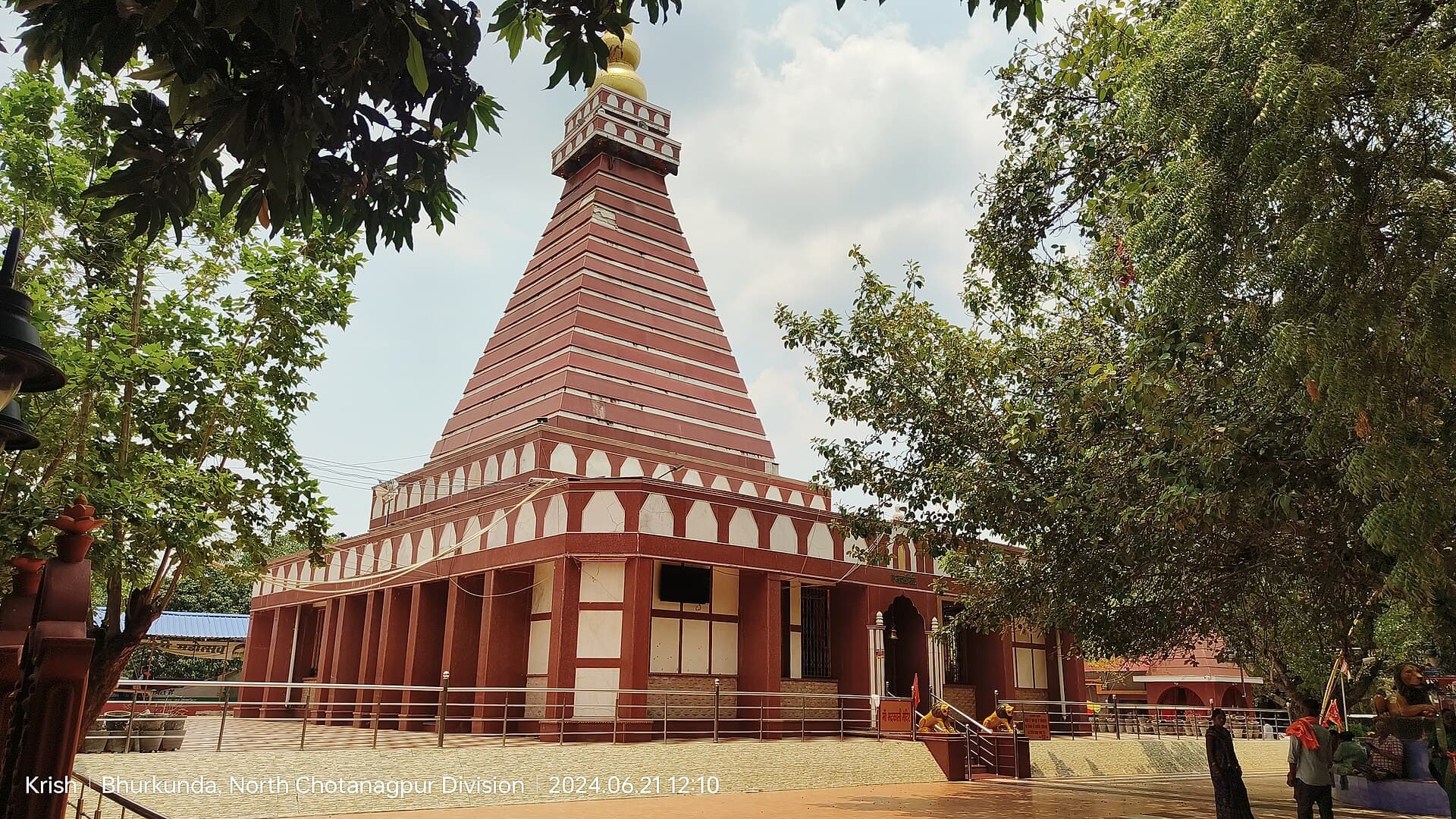
About Itkhori
An ancient town in Chatra district where temple devotion, Buddhist memory, and plateau landscapes still speak to one another.
Place
History of Itkhori
Long before modern district maps, this corner of Jharkhand sat along cultural corridors linking Magadha’s plains to forested uplands.
Itkhori’s story is written in stone and practice. Archaeological fragments and living ritual suggest centuries of sacred use — first as part of wider eastern Indian religious networks, later as a focused centre of Bhadrakali pilgrimage that never fully erased earlier Buddhist and Jain traces.
Unlike single-faith destinations, Itkhori invites travellers to hold multiple truths at once: the Goddess’s fierce compassion, the Buddha’s quiet footprint in local legend, and Jain sculptural presence that reminds us commerce and devotion once travelled together across the plateau.
Today the town remains intimate. You can walk from morning aarti to museum cases to riverside dusk without losing the thread — a rare continuity in an age of fragmented sightseeing.
Etymology
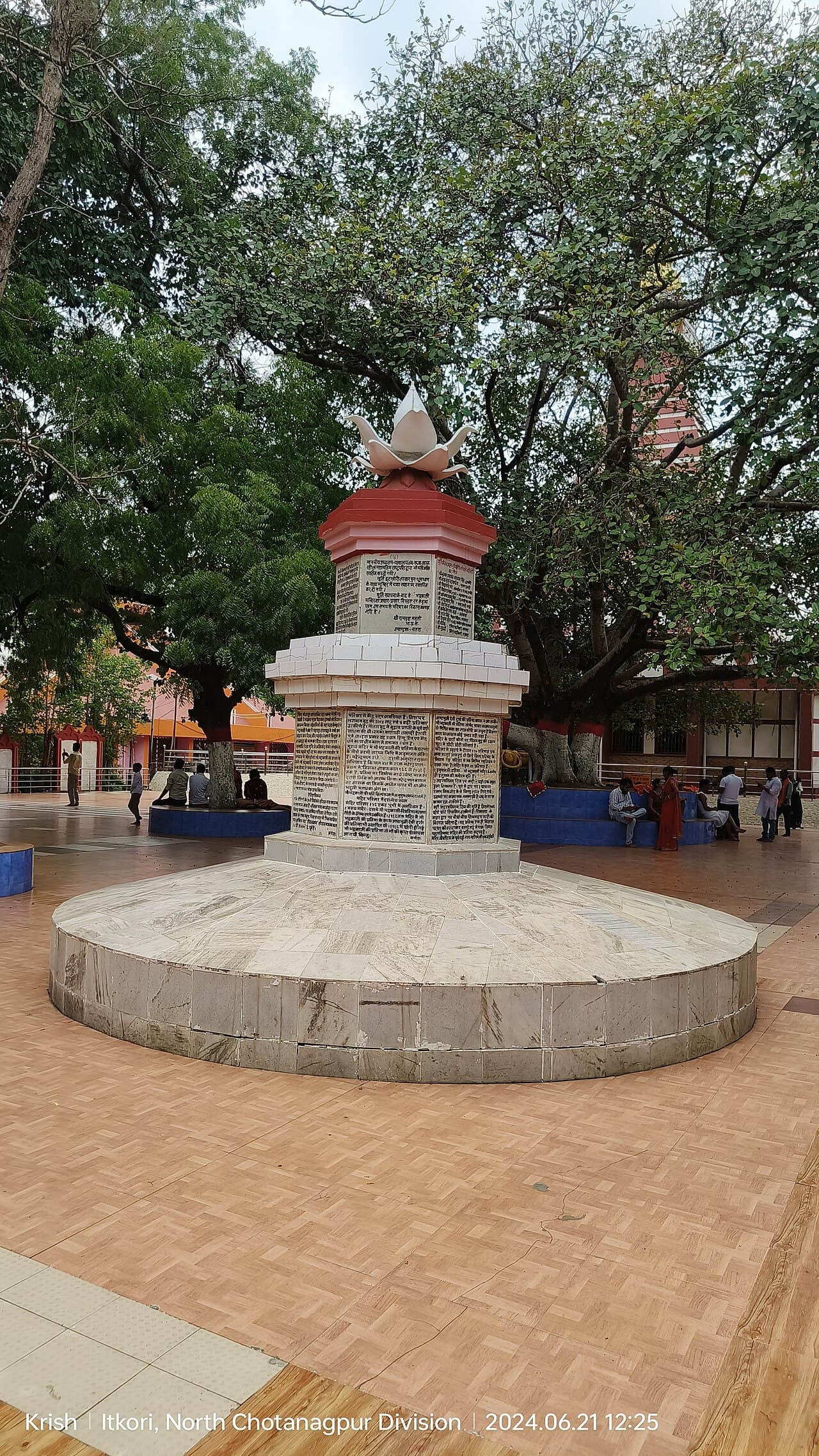
Meaning of the name “Itkhori”
Names carry memory. In Itkhori, the most told story binds the town to the Buddha.
Popular local etymology derives Itkhori from iti (here) and khori (a lock of hair), recalling a tradition that the Buddha cut a lock of hair at this place. Whether received as historical claim or sacred folklore, the story keeps Buddhist remembrance audible in daily speech — even as Hindu temple life fills the present soundscape with bells and bhajans.
Other folk readings occasionally surface in conversation, but the hair-lock legend remains the interpretive key most visitors hear from priests, elders, and guides. It frames Itkhori not as a closed shrine town, but as a crossroads of remembrance.
Faith
Religious significance
Hindu, Buddhist, and Jain connections layered across one compact geography.
Hindu devotion
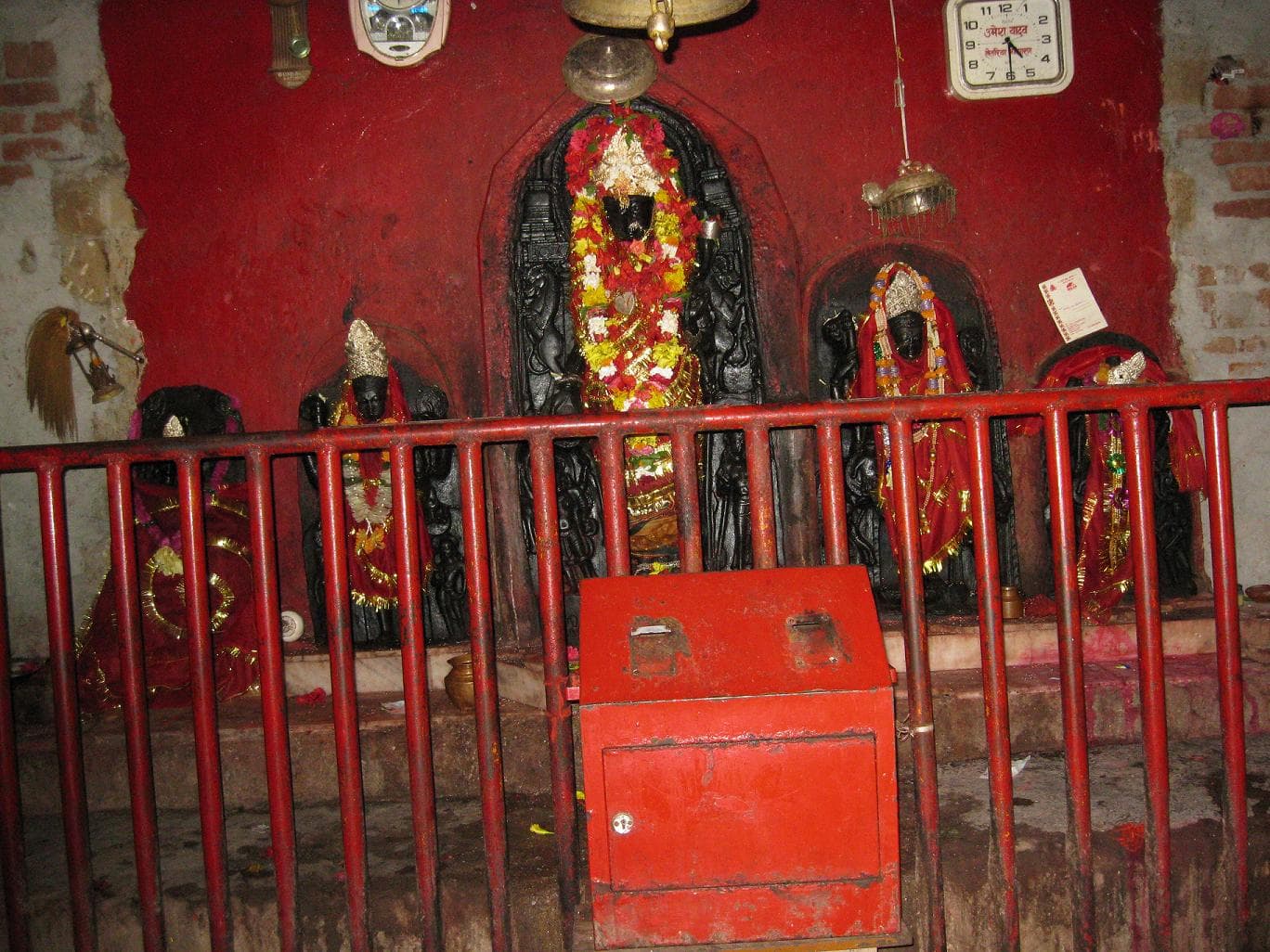
Maa Bhadrakali Temple anchors pilgrimage life — protection, courage, and maternal strength sought through daily aarti and grand Navratri cycles.
Buddhist memory
Stupa and monastery remains, votive sculptures, and the town’s very name keep Buddhist networks of eastern India within living reach.
Jain presence
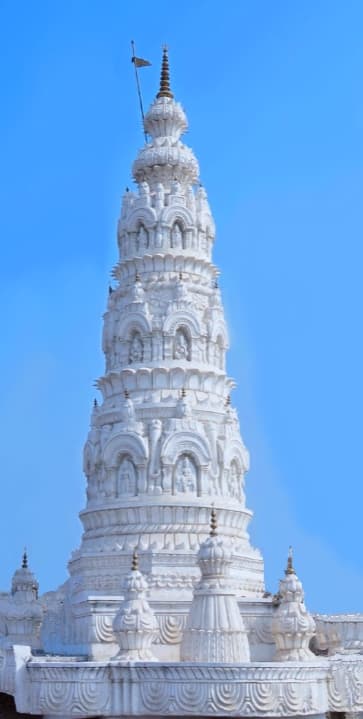
Sculptural evidence of tirthankara imagery in the wider assemblage speaks to Jain patronage and travel along historic routes.
Through time
Timeline of Itkhori
A condensed arc from ancient sacred geography to today’s mindful travel.
Ancient era
Sacred confluence begins
The Itkhori landscape enters regional sacred geography — river, forest, and hill supporting early settlements and ritual sites that would later host Hindu, Buddhist, and Jain devotion.
Early historic
Buddhist presence in the uplands
Monastic activity and sculptural production link Itkhori to broader Magadhan and eastern Indian Buddhist networks. Stupa and monastery remains still mark the ground.
Medieval centuries
Bhadrakali devotion deepens
The cult of Maa Bhadrakali consolidates as a major pilgrimage focus. Temple traditions absorb and coexist with older archaeological layers rather than erasing them.
Name legend
‘Itkhori’ enters local memory
Popular etymology connects the name to the Buddha cutting a lock of hair (khori) here — ‘iti’ (here) + ‘khori’ — a story that travellers still hear from priests and elders.
Modern archaeology
Sculptures & sites documented
Surveys and museum curation bring Hindu, Buddhist, and Jain icons into public view, establishing Itkhori as a key heritage town of Chatra district.
Today
Living pilgrimage & eco-travel
Devotees, heritage travellers, and nature seekers share the same compact geography — temple bells, quiet ruins, and forested hills within a single mindful itinerary.
Living culture
Cuisine, handicrafts & traditions
Taste, craft, and custom complete the pilgrimage — hospitality is part of the heritage.
Local cuisine
Litti Chokha
Roasted wheat balls with spiced sattu filling, served with mashed vegetables — Jharkhand's comforting classic, best eaten hot with ghee.
Rugra & Forest Produce
Seasonal wild mushrooms and foraged flavours appear in local kitchens after rains — ask hosts what is fresh that week.
Thekua & Til Sweets
Festival sweets of wheat, jaggery, and sesame — especially abundant around Sankranti and temple offerings.
Handia (where offered)
A traditional rice brew of tribal Jharkhand — cultural context matters; accept only when freely offered in appropriate settings.
Handicrafts
Bamboo & Cane Work
Baskets, mats, and utility crafts from the plateau's bamboo traditions — lightweight souvenirs with everyday beauty.
Dokra-inspired Metal Craft
Lost-wax metal figures from the wider Jharkhand–Bengal craft belt; look for authentic artisan cooperatives when buying.
Tribal Jewellery & Textiles
Beadwork and simple handwoven pieces reflecting Adivasi aesthetics — buy directly when possible to support makers.
Cultural traditions
Temple aarti & community prasad
Shared food after worship remains a social glue — accept prasad with both hands and a quiet thank-you.
Folk song & dance
Seasonal gatherings feature regional rhythms; melas are the easiest place for visitors to experience them respectfully.
Multi-faith sacred respect
Locals move easily between temple devotion and pride in Buddhist archaeology — visitors are expected to honour both.